Atmospheric Evaporators for Industrial Wastewater Treatment
High distillate quality and low operating costs for industrial applications
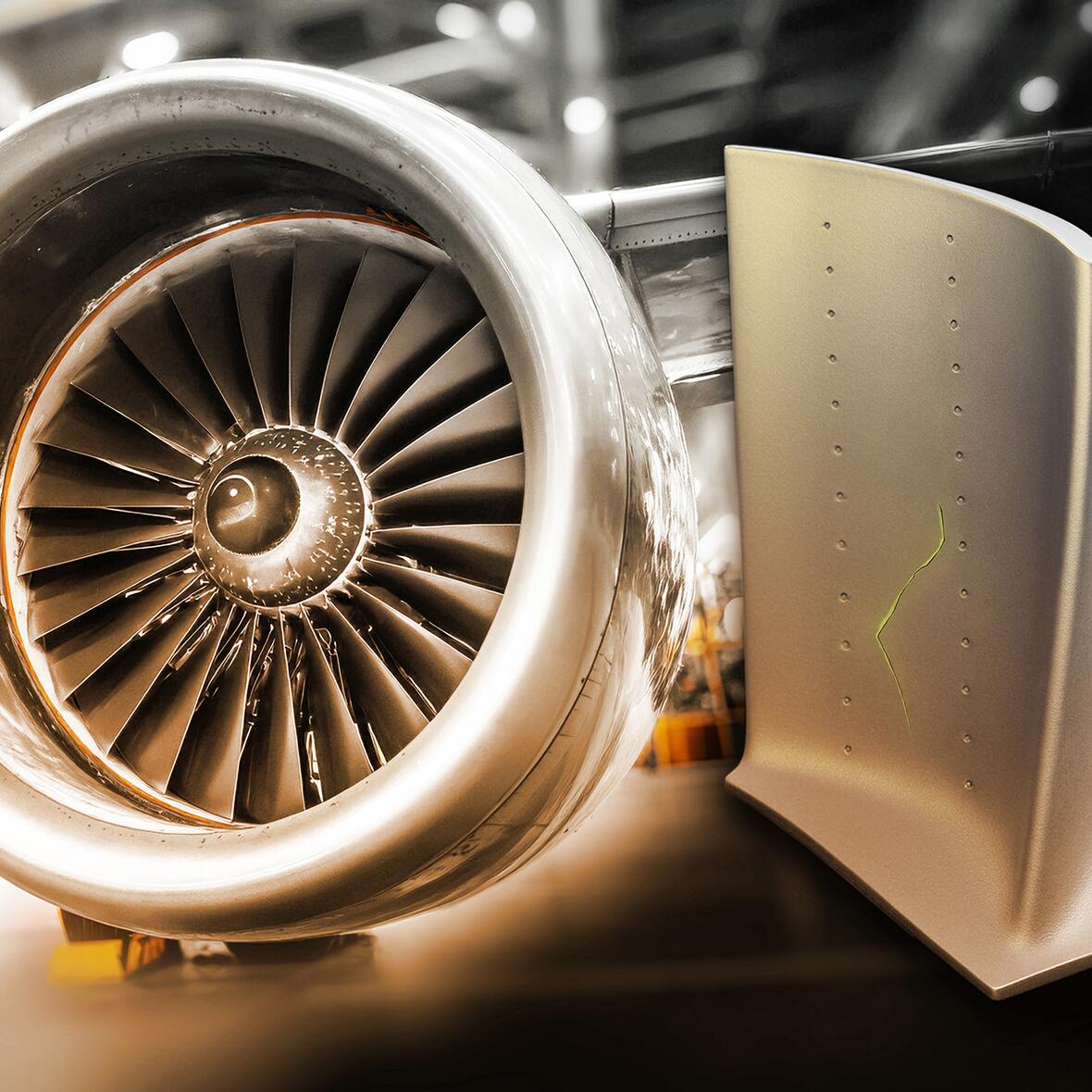
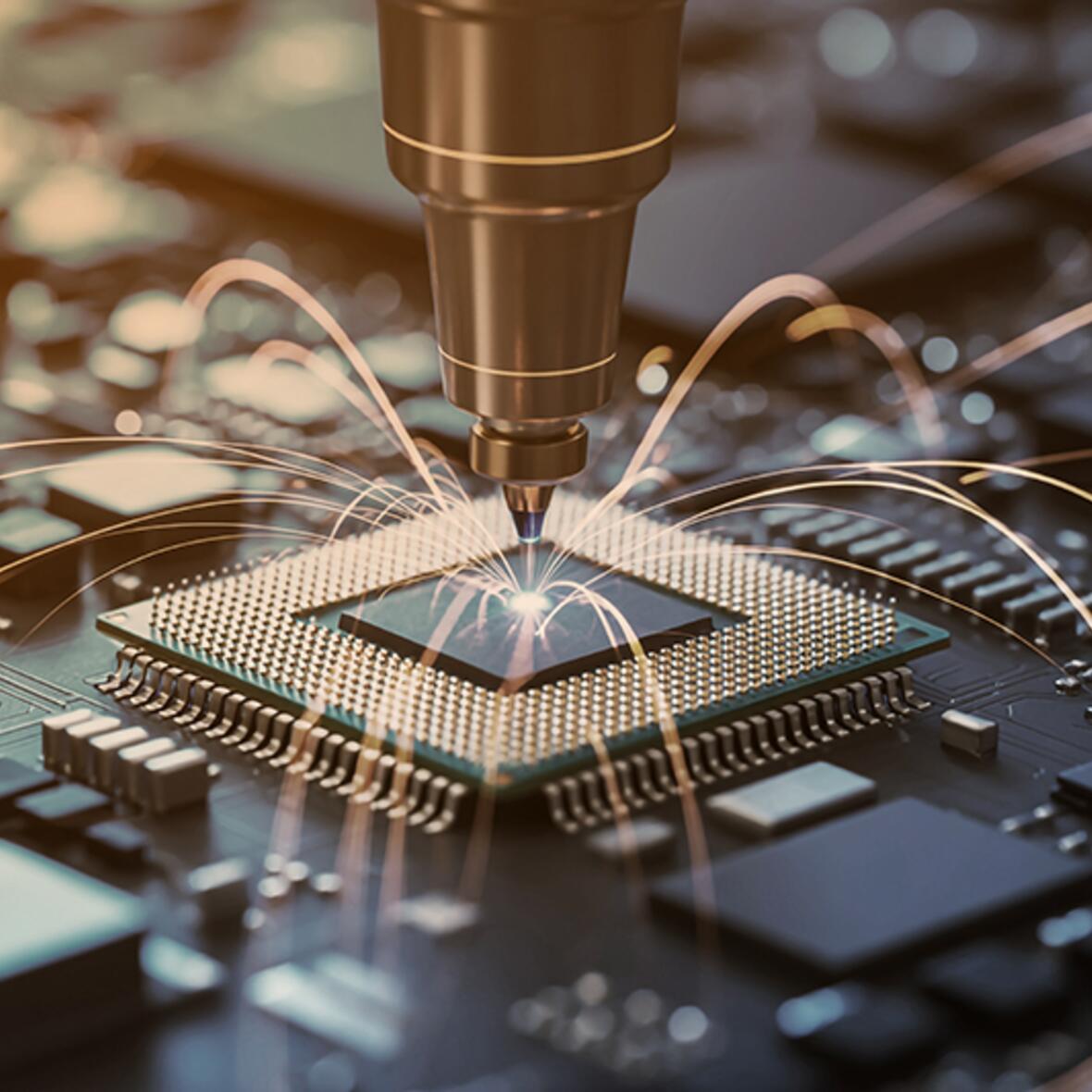
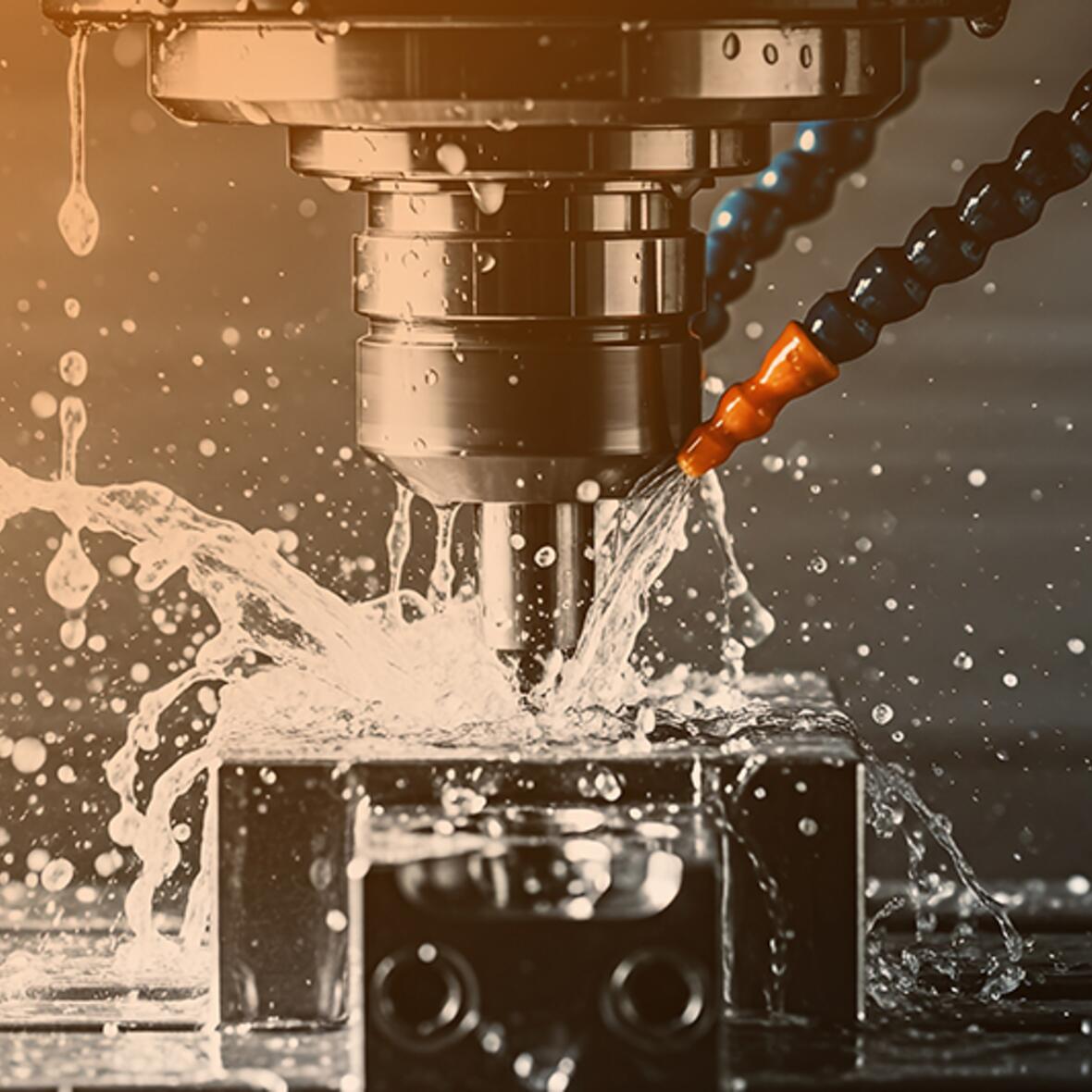
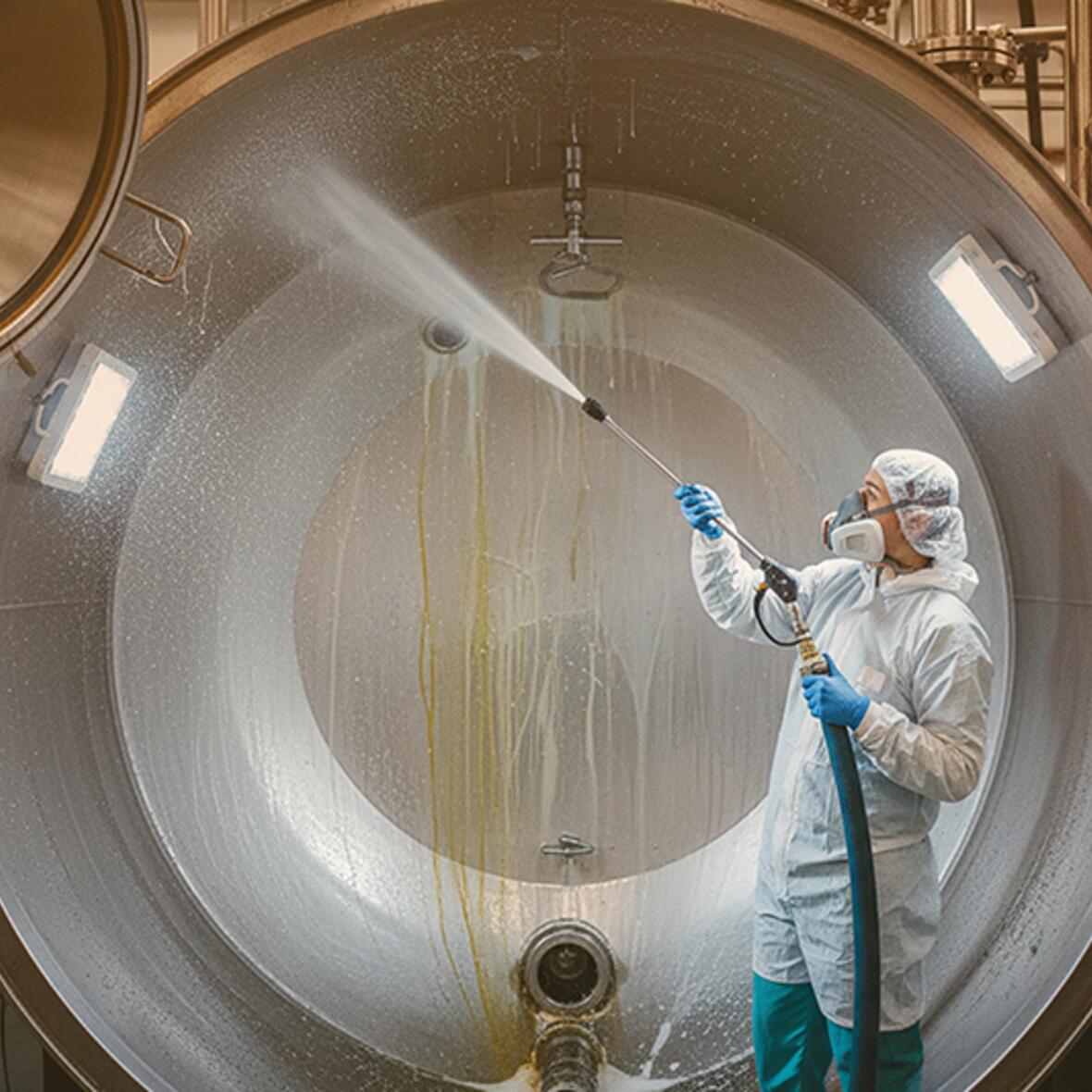
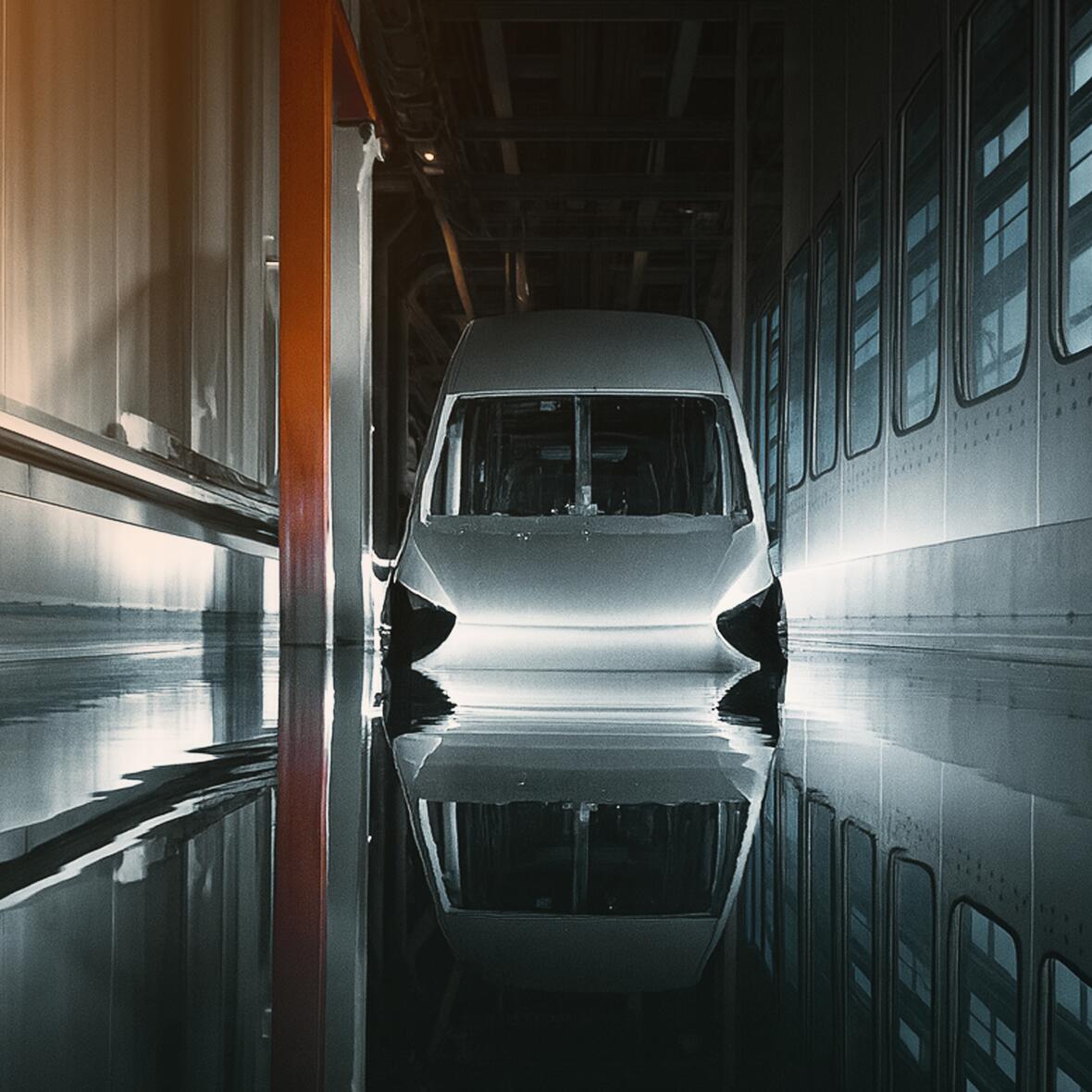
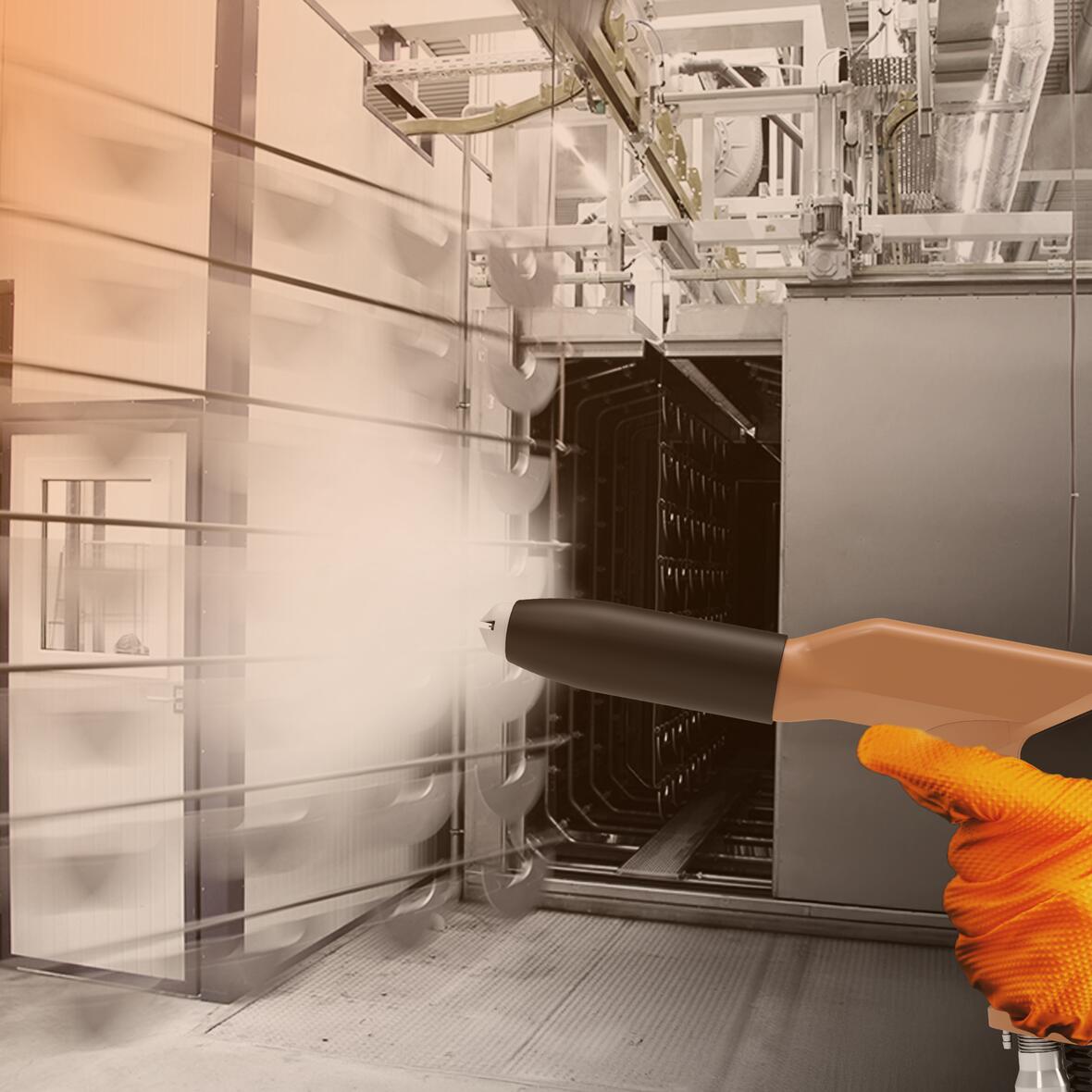
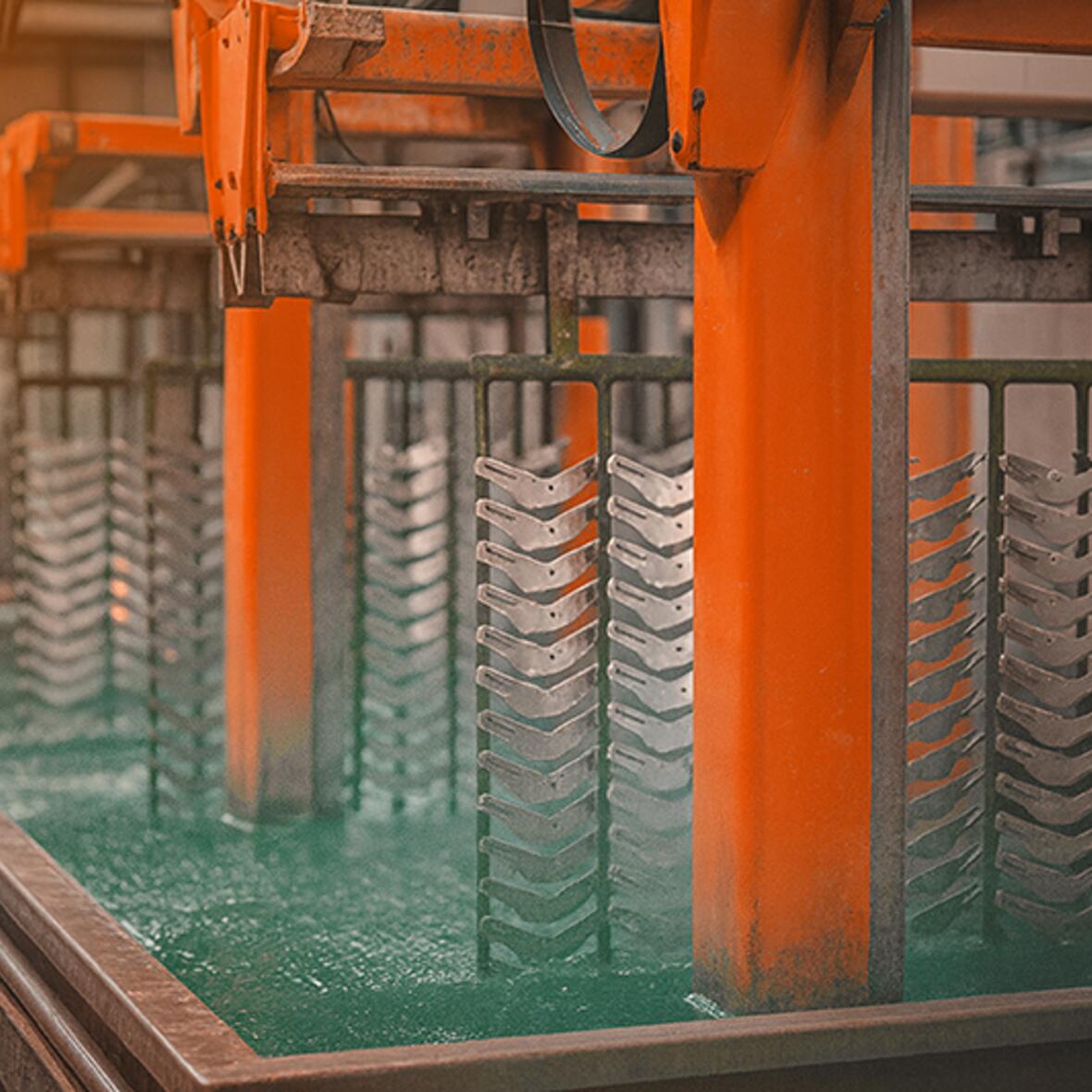
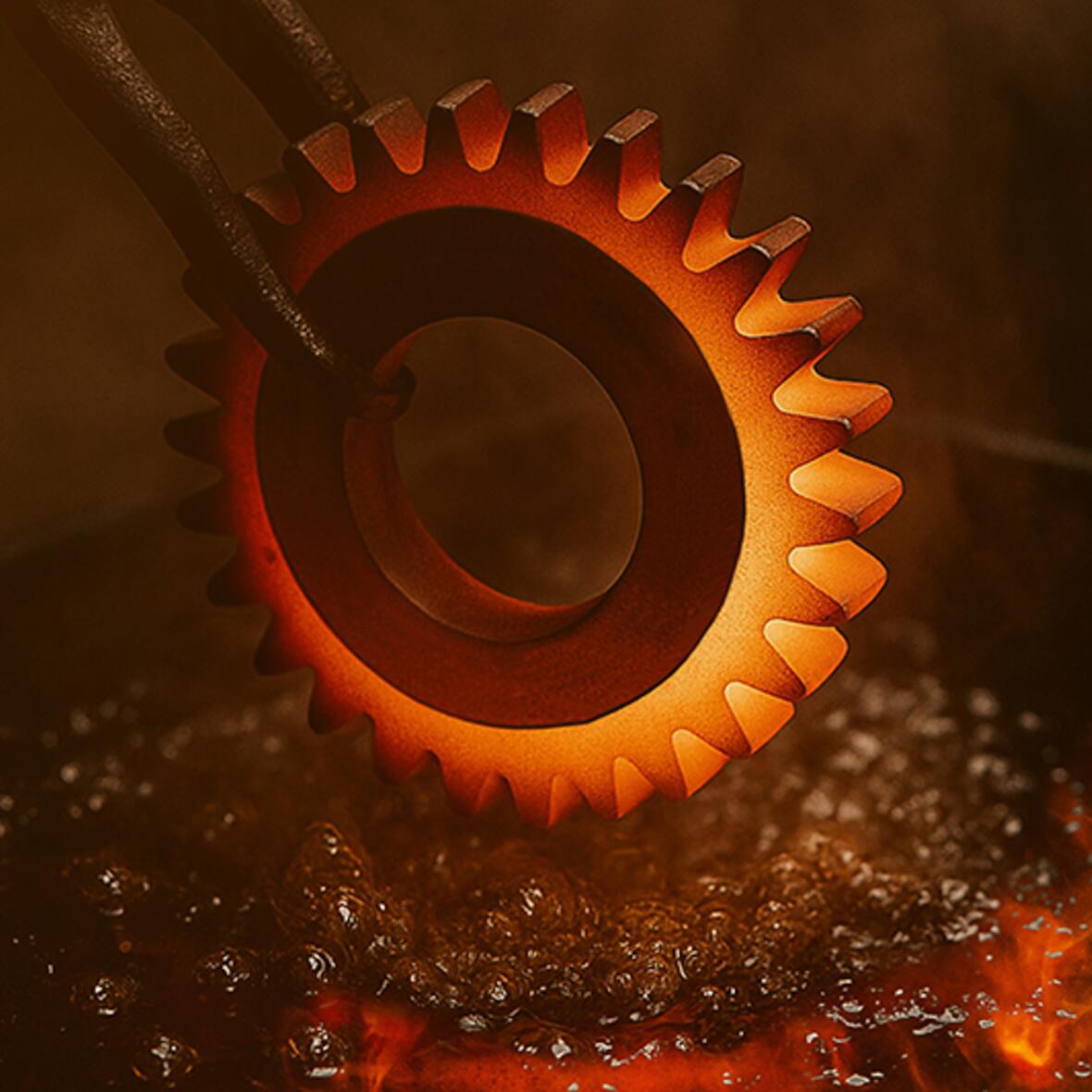
Industrial production processes generate contaminated process wastewater every day - for example from parts cleaning, cooling lubricants, electroplating, surface treatment or paint pretreatment.
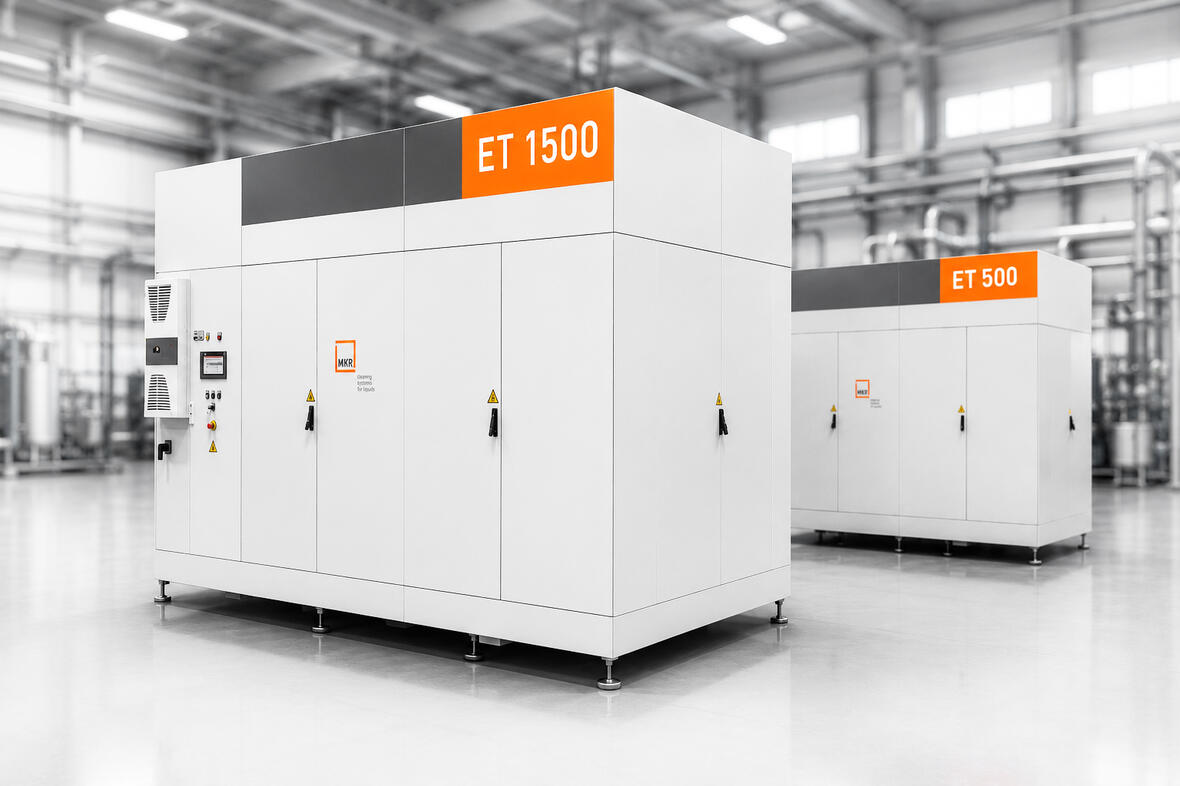
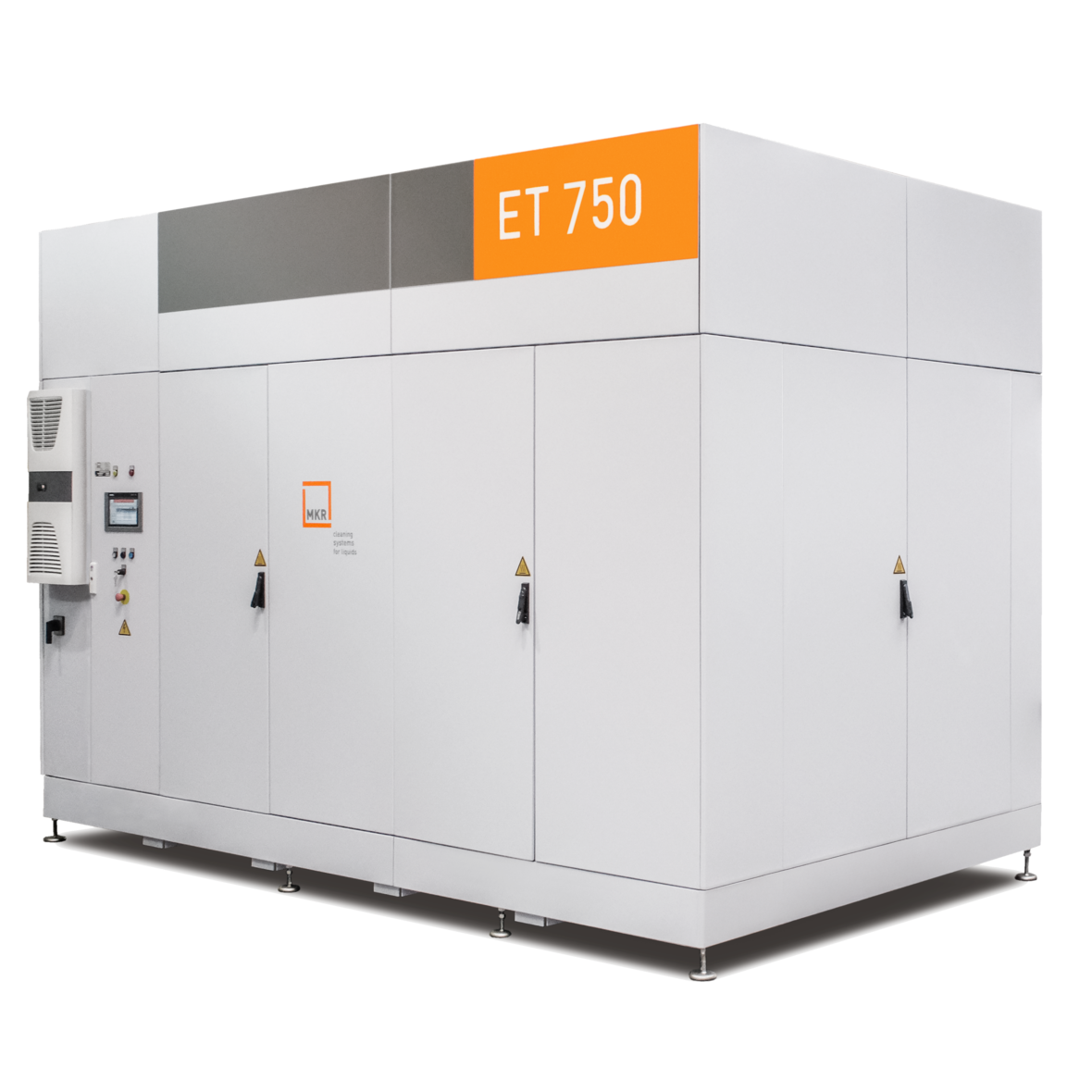
The atmospheric evaporators of the MKR ET Series separate industrial wastewater into distillate and concentrate. This helps reduce disposal volumes, recover process water depending on the application and lower operating costs over the long term.
With mechanical vapor recompression, heat recovery and fully automatic operation, MKR evaporators achieve high energy efficiency while producing very good distillate quality.
Have your wastewater potential evaluated
Get in touch via Mail: info@mkr-metzger.de or Phone: +49 9091 5000-0
Challenge: Industrial wastewater with high costs, complex media and increasing requirements
Many industrial companies generate wastewater streams that cannot be discharged or reused without further treatment due to their composition. Typical constituents include oils, emulsions, cleaning chemicals, solids, metal particles or dissolved substances.
These wastewater streams often occur in processes such as:
- parts cleaning and degreasing
- cooling lubricant and washing systems
- surface treatment and electroplating
- paint pretreatment
- die casting and metalworking
For operators, this means high disposal costs, increasing documentation requirements and growing pressure to use water more efficiently in closed-loop processes.
The solution: Atmospheric evaporators of the ET-Series
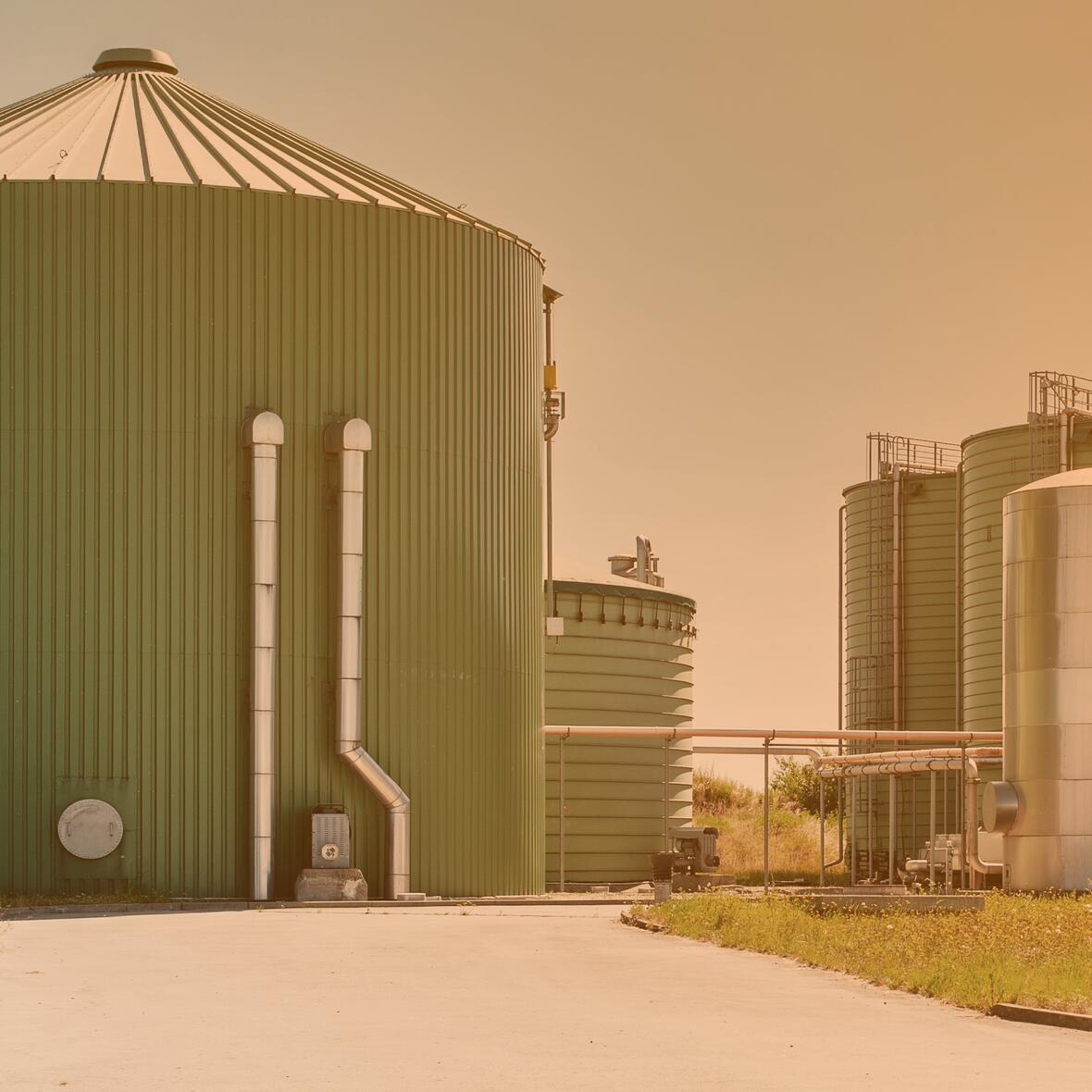
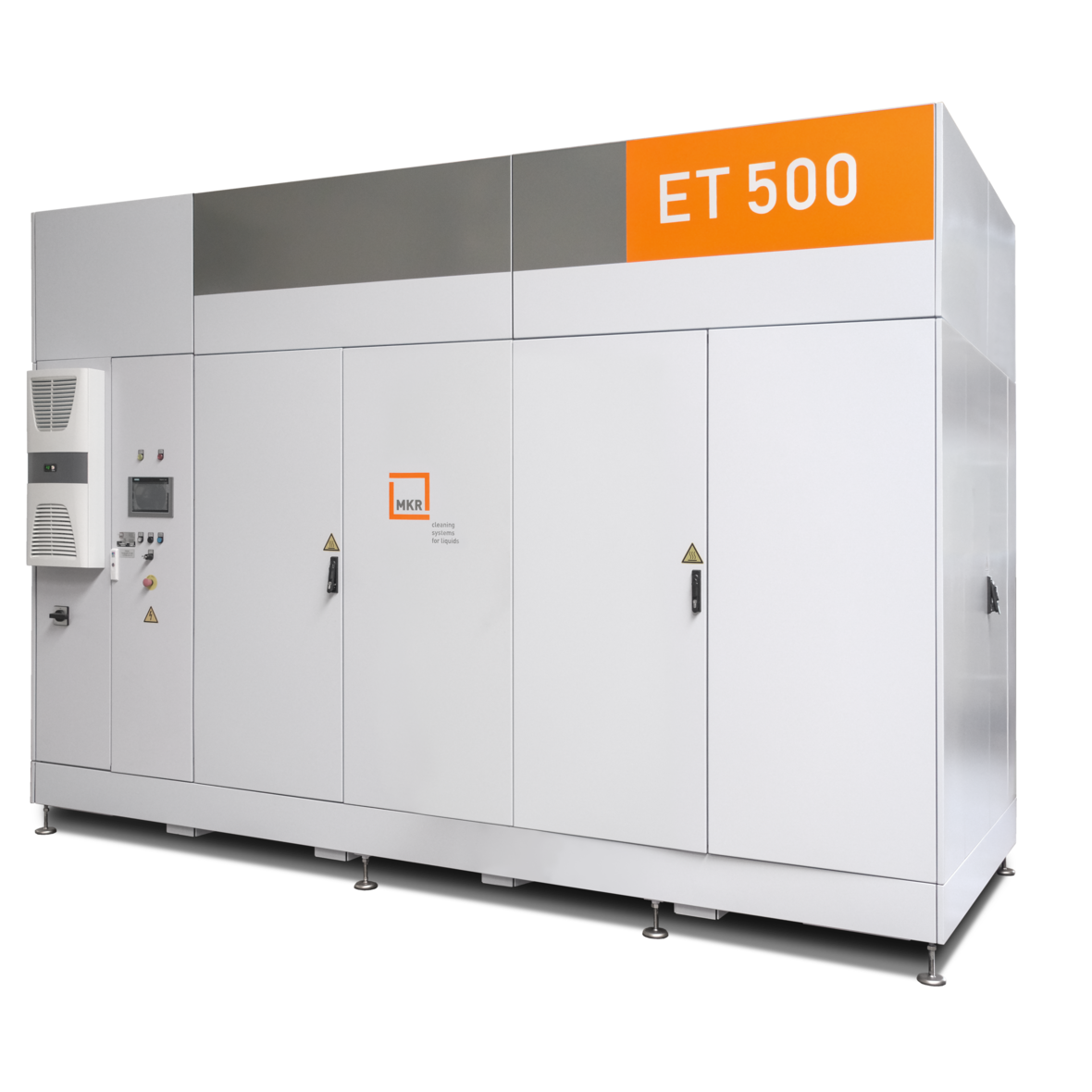
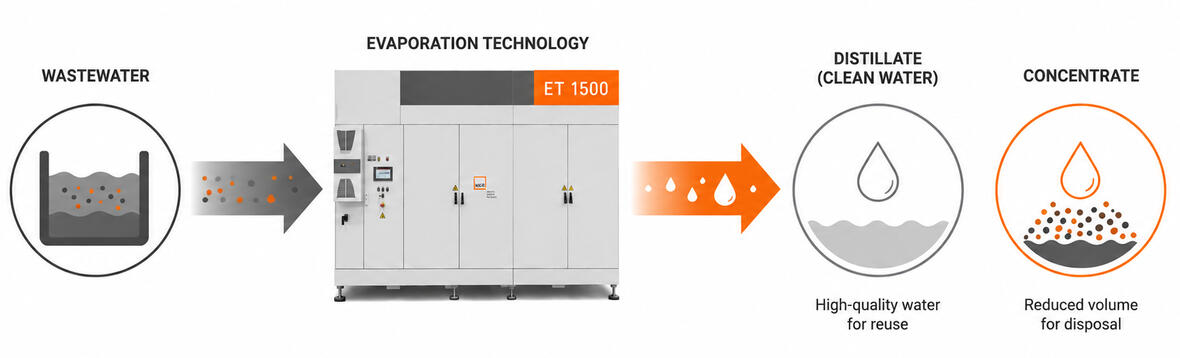
MKR ET evaporators are designed for the treatment of industrial wastewater streams. During the evaporation process, wastewater is thermally separated: water is recovered as distillate, while contaminants, oils and other substances remain in the concentrate.
The result is a significant reduction in disposal volume. At the same time, the generated distillate can be reused or further treated depending on the application and required quality.
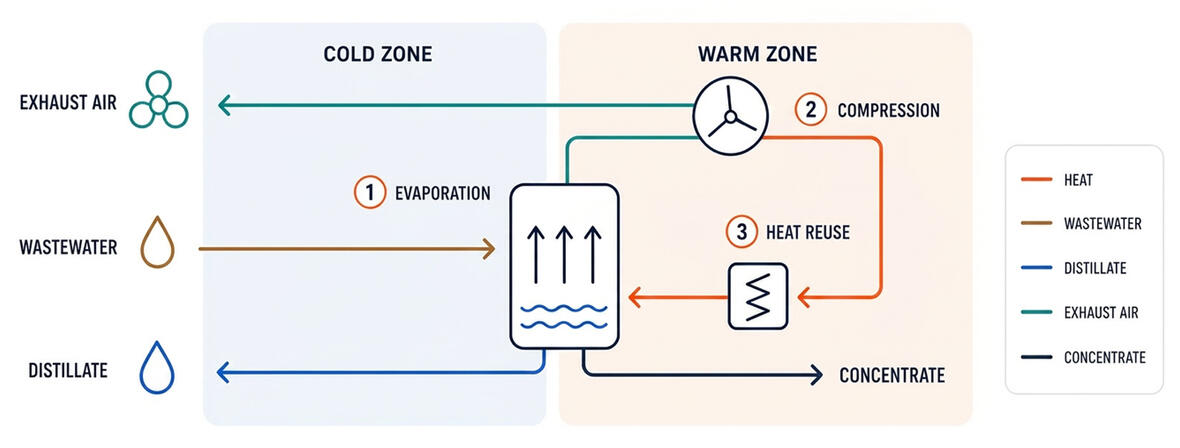
MKR uses atmospheric evaporation technology with mechanical vapor recompression. The energy contained in the vapor is recovered and reused in the process. This reduces the external energy demand and supports efficient continuous operation.
Benefits of MKR evaporators
- Significant reduction of wastewater volumes depending on the application
- Lower disposal and operating costs
- High distillate quality for potential reuse
- Energy-efficient operation through heat recovery
- Fully automatic process with high operational reliability
- Robust technology without a vacuum system
- Modular expandability and easy integration into existing processes
Depending on the wastewater composition, process conditions and treatment concept, MKR evaporators can help reduce liquid wastewater streams significantly and support a more efficient use of process water.
up to
-90%
cost savings
up to
-95%
disposal costs
up to
-30%
energy consumption compared to competitors
Energy-efficient evaporation with mechanical vapor recompression
A key advantage of MKR evaporation technology is mechanical vapor recompression, also known as MVR.
During evaporation, water vapor is generated from the wastewater. Instead of releasing this vapor unused, it is mechanically compressed. The compression increases the temperature of the vapor, and this heat is then reused as thermal energy in the evaporation process.
This creates an efficient internal energy cycle within the evaporator. As a result, the external energy demand is reduced significantly, especially in applications with continuous wastewater streams and high disposal costs.
MVR evaporation is therefore particularly suitable for industrial companies that want to reduce wastewater volumes, recover process water where possible and improve the efficiency of their wastewater treatment process.
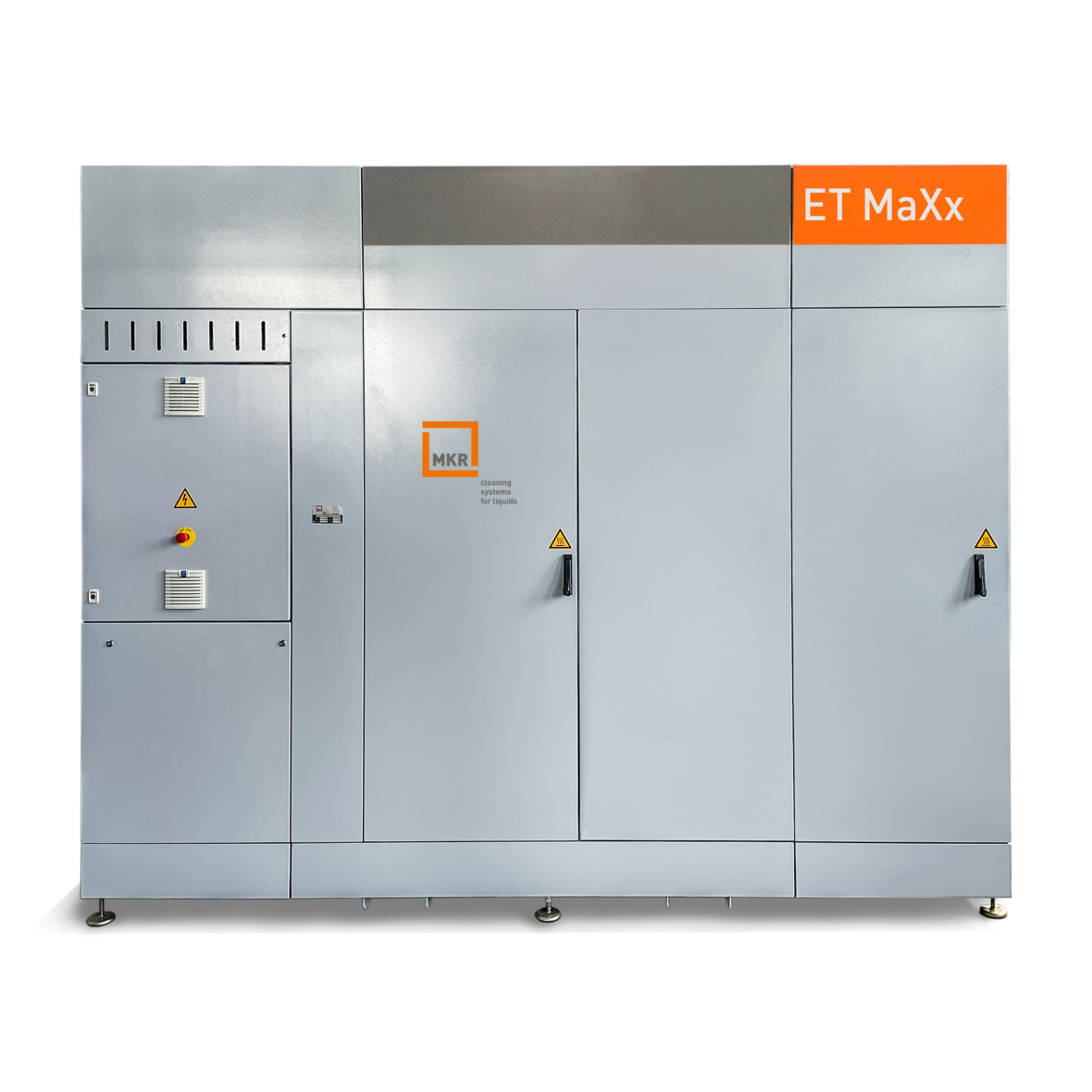
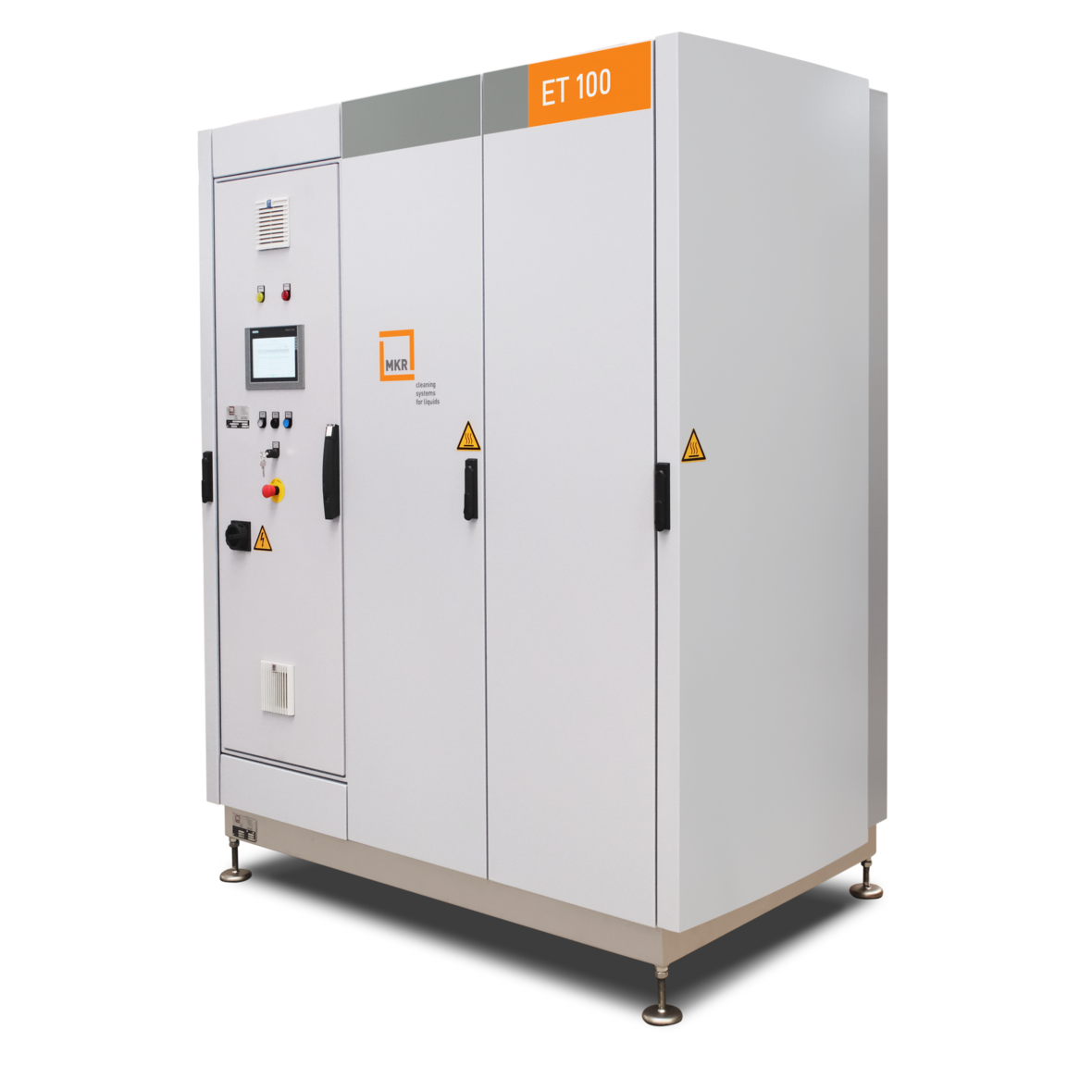
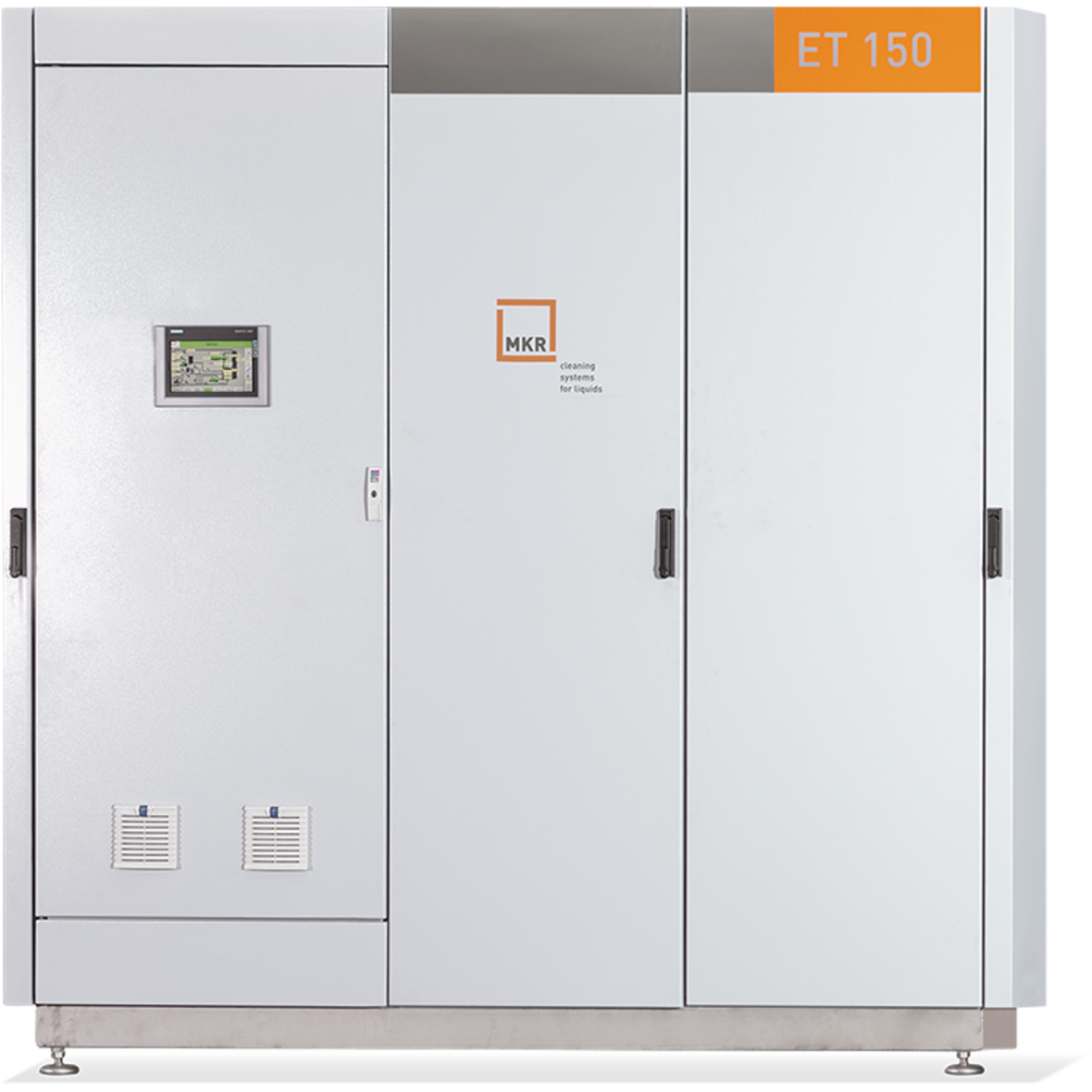
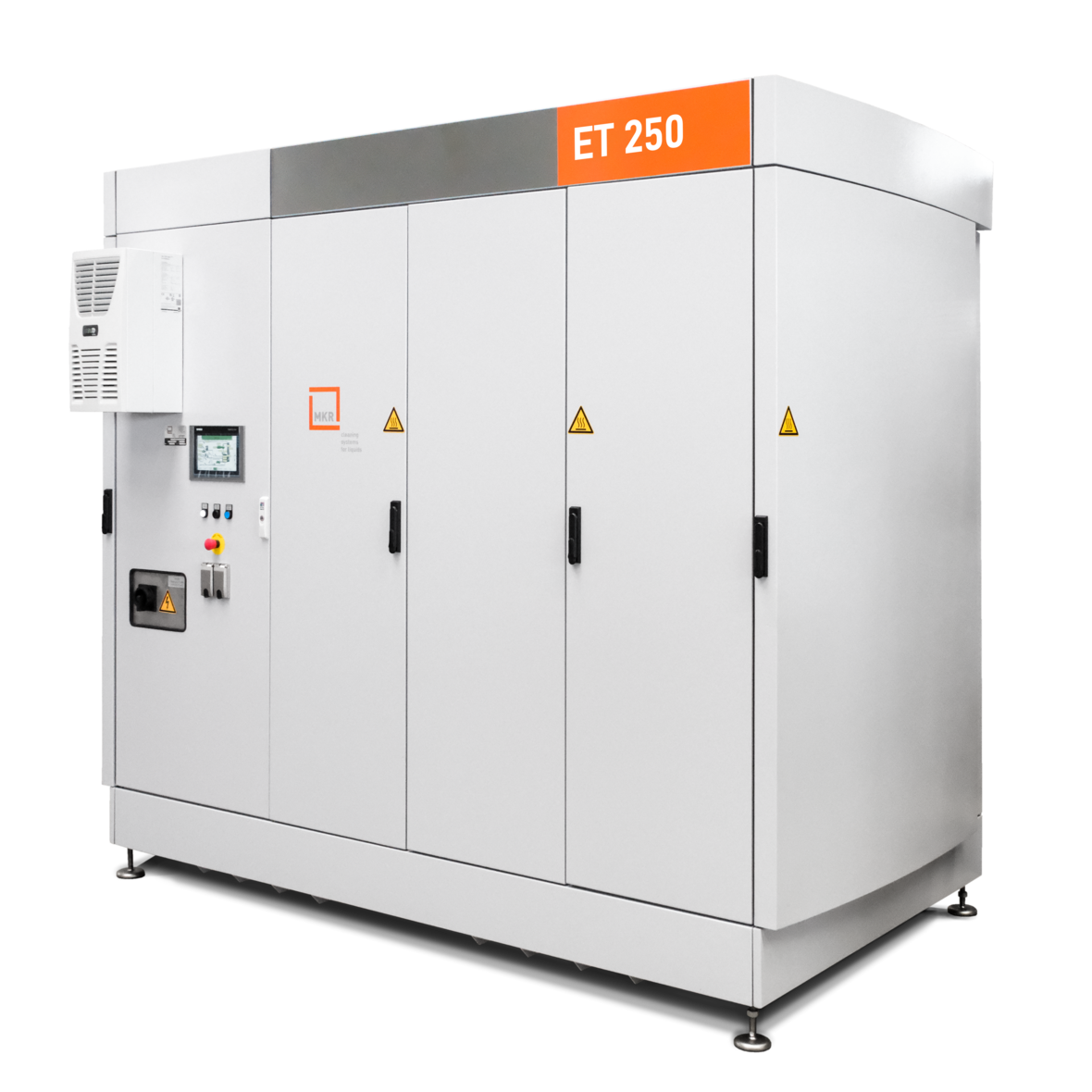
OUR EVAPORATORS AT A GLANCE





Modular integration with suitable peripheral equipment
In addition to evaporator systems, MKR offers standardized peripheral modules for industrial wastewater treatment. These modules support safe and efficient system integration.
Typical peripheral equipment includes:
- belt filter stations
- bag filters
- tramp oil separators
- pump stations
- tanks
- measurement, control and regulation technology
The modules can be integrated electrically and mechanically into both new treatment concepts and existing systems. This creates modular process solutions that can be adapted to the specific requirements of the application.
Depending on the process, peripheral modules can be used for pretreatment, within the wastewater treatment process or for post-treatment. They help guide media streams, increase process reliability and align the overall system with the medium, flow rate and target quality.
For operators, this means a flexible treatment concept instead of a rigid standard solution.
Benefits of modular peripheral equipment
- Simple electrical and mechanical integration
- Flexible expansion of existing system concepts
- Adaptation to medium, flow rate and target quality
- Higher process reliability through coordinated pre- and post-treatment
- Complete system solution from evaporation technology, peripheral equipment and control technology
We plan your complete treatment system together with you
Get in touch via Mail: info@mkr-metzger.de or Phone: +49 9091 5000-0
Every industrial wastewater stream is different. That is why MKR does not only supply individual machines, but develops complete process solutions based on the specific application.
From wastewater analysis and process evaluation to system design, evaporator selection, peripheral equipment and integration into existing production processes - MKR supports companies in developing a reliable treatment concept.