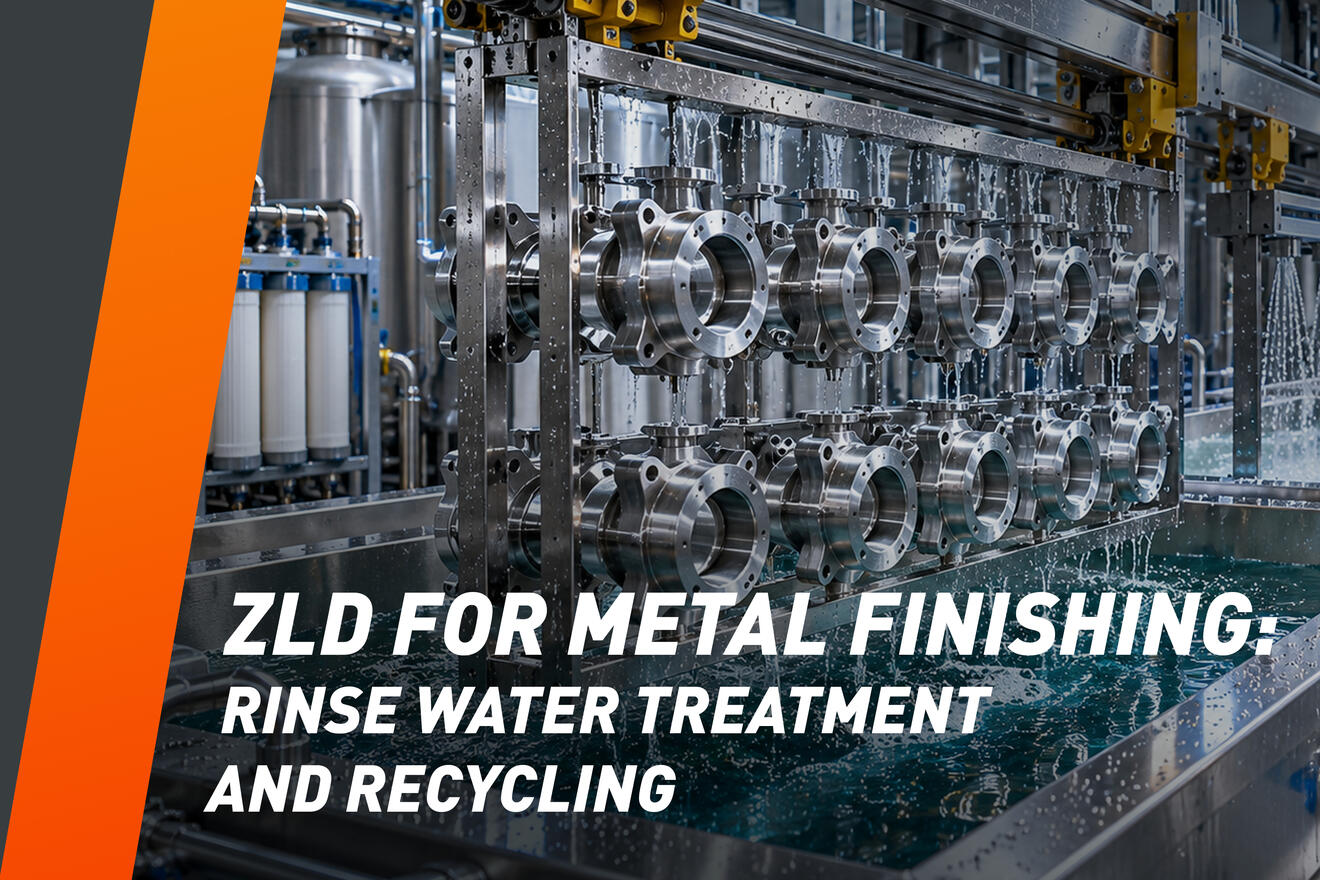
Zero Liquid Discharge for Metal Finishing: Rinse Water Treatment and Recycling
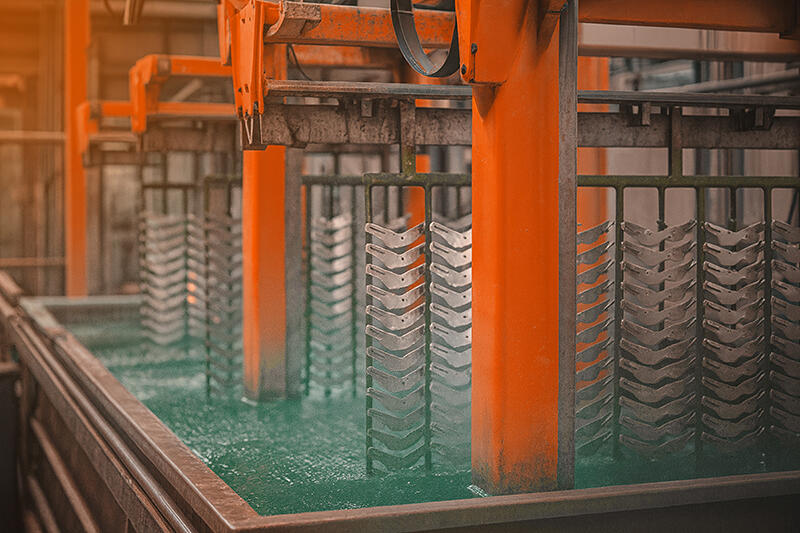
Metal finishing and electroplating processes generate wastewater containing dissolved metals, salts, acids, alkalis and chemical residues. Rinse water from plating, surface treatment and metal processing can be particularly challenging to treat and dispose of.
Zero Liquid Discharge (ZLD) offers metal finishing companies a way to reduce liquid wastewater streams, recover process water and minimise dependence on external wastewater disposal.
By combining suitable pretreatment, membrane technologies and industrial evaporation, companies can develop efficient water recycling concepts.
MKR develops tailored wastewater treatment solutions for electroplating and metal finishing applications.
Why Is Rinse Water Treatment Important in Metal Finishing?
Rinsing is essential in electroplating and surface treatment. It removes chemicals and process residues from components between individual treatment stages.
Depending on the process, rinse water may contain:
- Dissolved metals such as nickel, copper, zinc or chromium
- Acids, alkalis and dissolved salts
- Complexing agents and chemical additives
- Oils, emulsions and suspended solids
These contaminants can limit direct water reuse and require appropriate treatment before discharge.
Conventional wastewater treatment may reduce specific pollutants but still leave dissolved salts or residual streams that require further treatment.
A well-designed water recycling concept can help minimise wastewater volumes while recovering water for suitable production processes.
Similar challenges arise in industrial surface treatment and paint pretreatment, where contaminated rinse water must also be treated according to process-specific requirements.
How Can Metal Finishing Plants Achieve Zero Liquid Discharge?
A Zero Liquid Discharge (ZLD) system aims to recover water and minimise liquid wastewater discharge.
For metal finishing applications, a multi-stage treatment concept may include the following processes.
1. Wastewater Separation and Pretreatment
Different wastewater streams should first be analysed and separated where necessary.
Depending on their composition, suitable pretreatment may include filtration, pH adjustment, chemical precipitation or specialised treatment of hazardous substances.
MKR offers modular pretreatment and peripheral equipment, including filtration stations, storage tanks and suitable fluid handling systems.
For oily washing and degreasing baths, MKR ultrafiltration systems can help remove selected contaminants and extend bath service life.
However, ultrafiltration alone does not reliably remove dissolved metal ions or salts from electroplating rinse water.
2. Rinse Water Recycling and Evaporation
Depending on the wastewater composition and required water quality, membrane processes such as reverse osmosis may be used to recover water from suitable rinse streams.
Remaining wastewater and concentrates can then be treated using industrial wastewater evaporators.
The atmospheric evaporators of the MKR ET series use Mechanical Vapor Recompression (MVR) to recover thermal energy during the evaporation process.
Water is separated as distillate, while many non-volatile contaminants remain in a concentrated residual stream.
Depending on its quality, recovered distillate can be reused in suitable rinsing or production processes, either directly or after additional treatment.
3. Further Concentration with ET MaXx ZLD
Evaporation significantly reduces liquid wastewater volumes but still produces concentrate.
The MKR ET MaXx ZLD system provides an additional treatment stage for further concentrating residual streams from ET evaporators.
This allows additional water recovery and reduces the amount of remaining liquid waste.
Depending on wastewater composition and the required ZLD target, further drying or crystallisation may be necessary to eliminate all liquid residues.
What Are the Benefits of ZLD for Metal Finishing Companies?
An appropriately designed ZLD concept can offer several advantages:
- Reduced wastewater disposal volumes: Less liquid waste requires external treatment or disposal.
- Process water recovery: Suitable treated water can be returned to industrial rinsing or production processes.
- Lower freshwater demand: Reusing recovered water reduces dependence on fresh water supplies.
- Improved resource efficiency: Water and potentially recoverable process materials remain within the production cycle.
- Reduced discharge dependency: Minimising liquid wastewater streams can reduce the need for certain wastewater discharges.
The economic benefits depend on wastewater composition, treatment capacity, energy requirements, disposal costs and the necessary treatment stages.
ZLD does not automatically guarantee compliance with local environmental regulations. Remaining wastewater discharges and residual waste must be managed according to applicable requirements.
For a broader overview of treatment options, explore our guide to industrial wastewater treatment technologies.
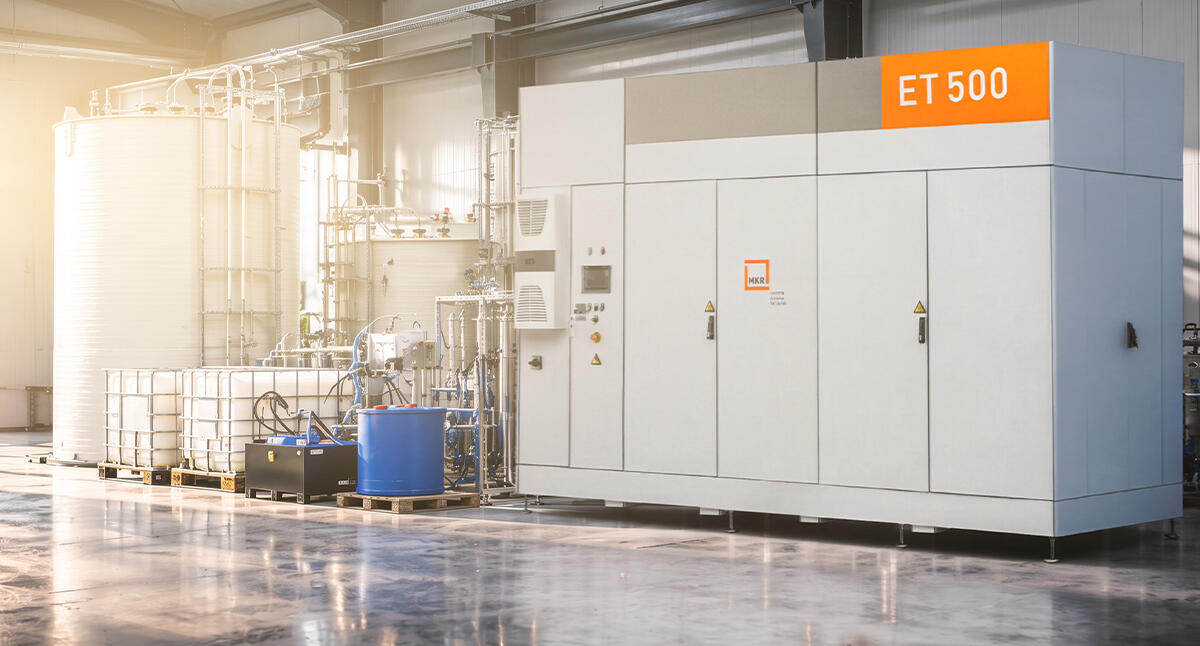
ZLD in Practice: Electroplating Wastewater Recycling
An internationally operating electroplating company in Germany expanded its existing wastewater treatment system using MKR technology.
An ET 250 atmospheric evaporator was combined with the ET MaXx ZLD system to further concentrate wastewater residues and recover additional process water.
The multi-stage treatment concept significantly reduced the remaining concentrate volume and supported more efficient wastewater recycling.
Read the MKR electroplating wastewater treatment case study to learn more about the application.
Is ZLD the Right Solution for Your Metal Finishing Process?
Not every rinse water stream requires a complete Zero Liquid Discharge system.
The appropriate treatment concept depends on the concentration of dissolved contaminants, wastewater volume, required water quality and opportunities for process water reuse.
MKR develops tailored wastewater treatment concepts combining pretreatment, evaporation and further concentrate reduction.
Looking to reduce metal finishing wastewater or recover valuable process water?
Contact MKR to discuss your rinse water characteristics, treatment capacity and recycling requirements.